12 Paper Valentine Hearts Backgrounds for Your Projects
When it comes to digital design, finding assets that feel genuinely authentic can be a challenge. You need textures that don't look overly processed or artificial, especially when working on projects that demand a handmade aesthetic. That is exactly why having a versatile collection of textures is essential for any creative professional's toolkit. If you are looking to add a layer of charm and tactile realism to your work, these 12 Paper Valentine Hearts Backgrounds offer a distinct solution. They bridge the gap between digital precision and the warm, imperfect beauty of paper craft, providing a foundation for designs that truly connect with an audience.
The Visual Character of Distressed Paper Textures
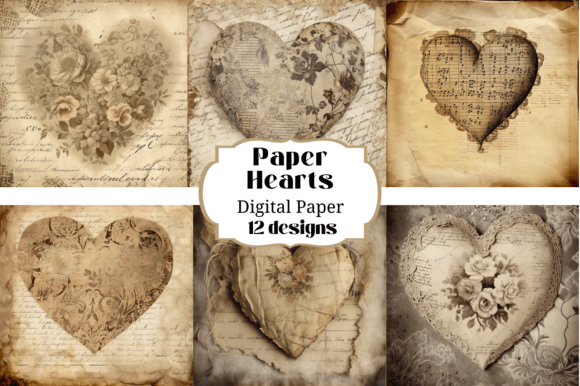
These digital papers are designed to mimic the look and feel of physical craft materials. Unlike flat, solid colors, these backgrounds feature the subtle irregularities of actual paper. You will notice the distressed edges, the gentle grain of the paper fibers, and the soft, often muted color palettes associated with vintage stationery. The "distressed" quality is key here; it adds a sense of history and warmth to the design. It suggests that the object has been handled, loved, and used, which is a powerful visual cue for storytelling.
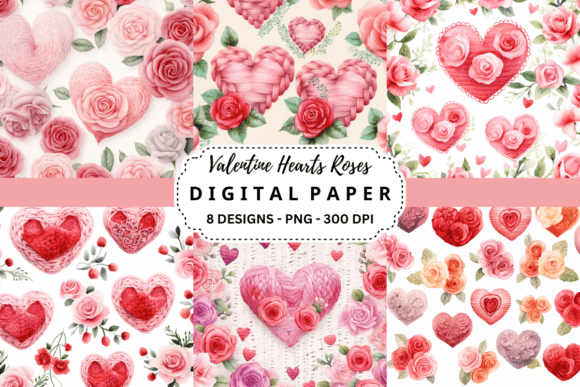
The collection includes 12 distinct variations, ensuring you have options for different moods. Some might feature bold, graphic heart patterns, while others lean towards softer, more watercolor-inspired washes. This variety allows for flexibility. You are not locked into a single style. Instead, you can select the specific texture that best matches the tone of your project, whether it is romantic, playful, or nostalgic. Because these are high-resolution PNG files at 300 DPI, the detail remains crisp even when you zoom in or print at larger scales. This is crucial for maintaining a professional standard in both digital and physical applications.
Practical Applications for Designers and Crafters
The utility of these 12 Paper Valentine Hearts Backgrounds extends across a wide range of creative disciplines. For graphic designers and brand strategists, these textures can be a game-changer for brand identity work. If you are developing a visual language for a boutique bakery, a wedding planner, or a handmade jewelry line, these backgrounds can serve as the backdrop for logo presentations, business cards, and packaging mockups. They instantly communicate a sense of craftsmanship and care, aligning the brand with values of authenticity and personal touch.
In the realm of editorial design and publishing, these assets are invaluable. Imagine laying out a lifestyle magazine or a blog header. Using a flat white background is functional, but using a textured paper background adds depth and visual interest without overwhelming the typography. It creates a more immersive reading experience. For social media managers and content creators, these backgrounds are a quick way to elevate a post. Instead of a generic stock photo, a textured background makes the text overlay stand out and gives the graphic a more curated, intentional feel. It works exceptionally well for quotes, announcements, and promotional graphics where you want to capture attention quickly.
Of course, the application for scrapbooking and paper crafts is obvious, but the digital format opens up new possibilities. Digital scrapbooking allows for endless experimentation without the mess or cost of physical supplies. These PNG files can be layered, resized, and manipulated in software like Photoshop or Canva to create complex, multi-layered compositions. For small business owners creating their own marketing materials, this is a cost-effective way to access premium font style backgrounds and textures without hiring a designer for every single asset.
Integrating Textures into Your Design Workflow
Working with these backgrounds effectively requires a bit of strategic thinking, much like choosing the right typeface. You need to consider the visual hierarchy of your design. Because these backgrounds have a lot of texture and pattern, they work best when paired with cleaner elements. For instance, if you use a distressed paper background, consider pairing it with a clean sans serif font for body text to ensure readability. The contrast between the textured background and the crisp typography creates a balanced, professional look.
When evaluating the fit for your project, consider the color harmony. The Valentine hearts theme suggests reds and pinks, but distressed papers often have desaturated or vintage tones. Look at how the colors in the background interact with your brand's color palette. Sometimes, applying a slight color overlay or adjusting the saturation in your design software can help the texture blend seamlessly with your existing design assets.
It is also important to think about the medium. For web design, keep file sizes in mind. While the 300 DPI files are perfect for print, you will need to optimize them for the web to ensure fast loading times. For print projects, such as packaging design or invitations, the high resolution ensures that the texture prints beautifully, retaining that tactile quality that makes physical items feel special.
Ultimately, the goal is to use these assets to enhance, not distract. They are tools to support your message. By selecting the right background from the collection of 12, you can set the stage for your content, guide the viewer's eye, and create a cohesive aesthetic that resonates with your audience. Whether you are designing a logo, crafting a social media campaign, or assembling a digital collage, these paper hearts provide a foundation of warmth and creativity.