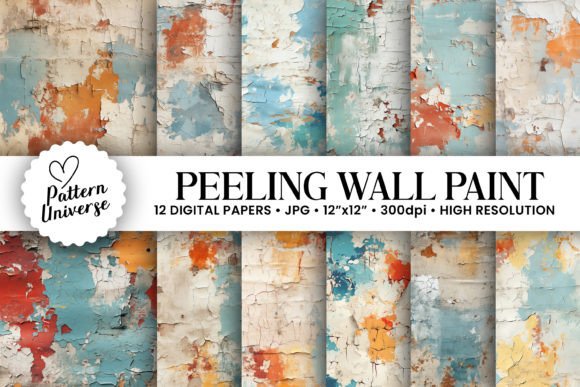
Peeling Wall Paint Texture Backgrounds: A Designer's Guide to Authentic Grit
In the world of digital design, we often spend hours trying to make things look perfect, clean, and glossy. But there is a specific kind of beauty found in decay, imperfection, and the passage of time. That is exactly the atmosphere captured by Peeling Wall Paint Texture Backgrounds. This collection is not just about showing a damaged surface; it is about harnessing a specific visual language that speaks to history, authenticity, and raw character. When you look at a surface where the paint is chipping away to reveal layers of the past, you are looking at a texture that adds instant depth to any creative project.
As designers and creators, we often struggle to find assets that don't look like they were churned out of a generic template factory. These textures offer something different. They are tactile, visual, and emotional. The visual characteristics here are defined by rough edges, uneven color distribution, and a sense of physical wear. The "personality" of these backgrounds is gritty, vintage, and unapologetically real. It appeals to an audience that values heritage, industrial aesthetics, and the kind of patina that you simply cannot fake easily with a standard filter. It brings a level of sophistication to "grunge" design that feels elevated rather than messy.
Practical Applications: Beyond Just a Background
While the name suggests these are merely backgrounds, their utility extends far beyond the bottom layer of a Photoshop stack. The included digital papers, sized at a generous 3600 x 3600 pixels (12" x 12") at 300dpi, make them incredibly versatile for high-quality output. Here is how you can integrate these assets into your workflow effectively.
Physical Products and Craft Projects
For the crafters, hobbyists, and small business owners in the audience, the application is direct and tactile. Because these files are high-resolution, they print beautifully on physical media. Imagine using these textures for:
- Gift Wrapping and Tissue Paper: A gift wrapped in a paper that mimics aged plaster or peeling paint makes a statement before the box is even opened. It suggests that what is inside is unique and carefully chosen.
- Invitations and Greeting Cards: For events with a rustic, industrial, or vintage theme—like a warehouse wedding or an art gallery opening—these textures provide the perfect canvas. They allow typography to pop while setting a specific mood.
- Tumbler Wraps and Decals: The sublimation and tumbler wrap market thrives on unique patterns. A peeling paint texture creates a custom look that stands out against the standard floral or geometric designs often found on Etsy.
- Scrapbooking: Digital scrapbookers can use these to create layouts that feel grounded in reality, adding a tactile illusion to screen-based memories.
Digital Branding and Marketing
In the digital space, standing out is harder than ever. Using a Peeling Wall Paint Texture Background can drastically change the perception of your brand identity. This style works exceptionally well for:
- Social Media Graphics: Instagram feeds and Pinterest boards can often feel flat. Overlays of these textures can add depth to quote cards, promotional banners, and stories. They grab attention because they mimic the real-world environment.
- Website Hero Images: For brands in the creative, construction, vintage clothing, or artisanal food industries, a textured background adds immediate context. It tells the visitor, "We care about authenticity."
- Packaging Design: If you are designing a label for a craft beer, a coffee bag, or a line of organic soaps, a peeling paint texture can communicate the "handmade" or "heritage" aspect of the product without saying a word.
Design Strategy: Integrating Texture with Typography
One of the most common mistakes when working with heavy textures is failing to consider the visual hierarchy and readability. A background like this is busy by nature. Therefore, your foreground elements—your text, logos, and focal points—need to contrast sharply.
Typography Pairing: When you have a chaotic background like peeling paint, your typography needs to be legible. Avoid overly complex script fonts or handwritten fonts for body copy, as they will get lost in the texture. Instead, opt for a clean sans serif font with a medium to bold weight. The simplicity of a geometric sans serif will stand up to the grit of the background. Conversely, if you are using the texture for a header, a bold, distressed serif font can complement the vintage feel, provided it is large enough.
Color Theory: Observe the colors within the texture pack. Are they cool greys and blues? Warm terracottas and creams? Ensure your text color complements the undertones of the paint. High contrast is key. White text on a dark, peeling section, or charcoal text on a light, plastered area, will maintain the professional standard required for editorial design and web design.
Evaluating and Implementing Your Assets
When you download a pack like this, don't just drag and drop the first image you see. Treat these as premium design assets that require evaluation.
- Check the Resolution: With 12 files included, you have variety. However, always verify that the 300dpi resolution holds up if you are printing large format. For digital use, you may want to save optimized versions for faster web loading times.
- Experiment with Blending Modes: In software like Photoshop or Procreate, try changing the blending mode of your text or graphic layers. "Multiply," "Overlay," or "Screen" can create different effects, allowing the texture to influence the text color for a more integrated look.
- Commercial Licensing: As a professional, always review the terms. Since this is intended for commercial font and asset use, ensure your specific project—whether it's a client logo or a run of 500 greeting cards—falls within the permitted usage rights.
Ultimately, Peeling Wall Paint Texture Backgrounds are more than just digital paper; they are a storytelling tool. They allow designers, marketers, and crafters to inject a sense of time and place into their work. Whether you are wrapping a gift, designing a brand identity, or creating a social media campaign, these textures provide a foundation that is visually rich, emotionally resonant, and practically versatile. Thanks for stopping by, and happy creating.